
Haney's Welcome
(Click image below)
Why Menstrual Blood is Liquid Gold
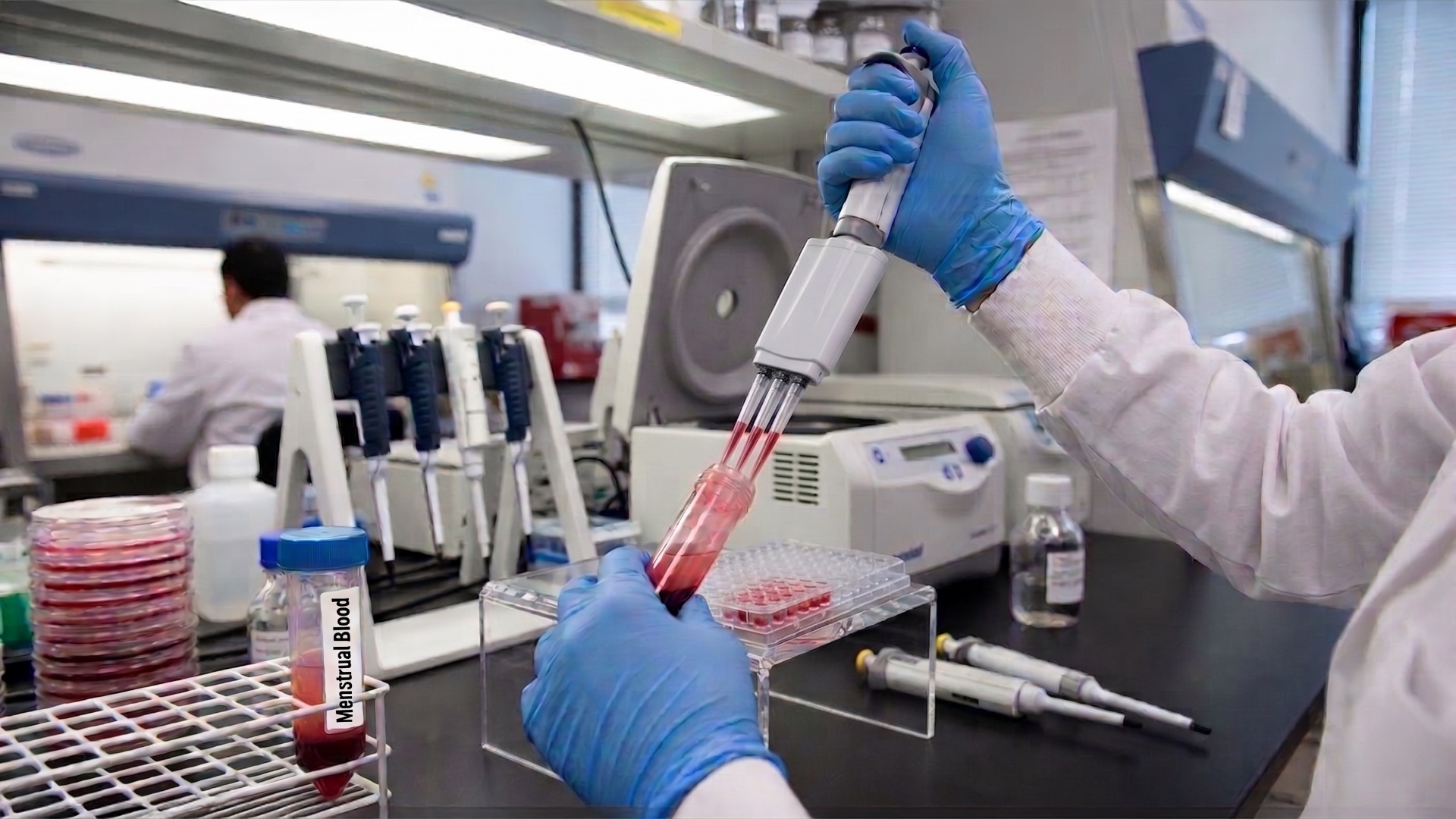
For decades, we’ve been extracting adult stem cells the hard way—jamming Jamshidi needles into the iliac crest or performing surgical biopsies like we’re mining for coal. Meanwhile, half the population has been casually shedding multipotent mesenchymal stem cells every 28 days. About 20 years ago, biologist Caroline Gargett identified highly regenerative stem cells in the endometrium, the lining that preps for an embryo and aggressively bails when it doesn't happen. Not long after, researchers realized the uterus doesn't just keep these cells locked up; it flushes them out in menstrual blood. That means instead of putting a patient under for an invasive harvest, you can essentially just empty a DivaCup into a petri dish. It turns out menstrual fluid is packed with these shape-shifting powerhouses, making it a non-invasive biological goldmine that we’ve just been flushing into the municipal water supply.
These endometrial stem cells aren’t just a microscopic party trick—they have massive therapeutic potential. Researchers are already looking at them to engineer tissue mesh for pelvic organ prolapse and analyzing their gene expression to finally diagnose endometriosis without making a patient wait a decade for an exploratory laparoscopy. There’s even wild mouse-model data showing these cells can help regenerate insulin-producing cells and heal deep wounds. So why aren’t we already treating menstrual blood like Big Pharma’s next billion-dollar cash grab? You guessed it: historic sex and gender bias in research funding. Medicine has largely treated menstruation as a taboo monthly inconvenience rather than a massive, untapped frontier for regenerative therapies. It’s time to stop sleeping on the uterus and let these cells do the heavy lifting they were literally built for.

Introducing...EMX
Something new is coming this fall, and I think you're going to love it.
EMX is a brand-new emergency medicine conference I'm co-hosting with Dr. Anand Swaminathan — built for clinicians who want the whole emergency department sharpened, not just one narrow slice. Cardiology, stroke, peds, tox, endocrine, OB, MSK, airway — whatever walks through your door, EMX gets you ready for all of it.
And this isn't your standard lecture marathon. We're talking talk-show interviews, live media reads, real expert debates, audience polling — and our signature 🔥 Hot Ones segment. You'll be locked in from the first slot to the last.
The faculty lineup includes Amal Mattu, Reuben Strayer, Evie Marcolini, Tarlan Hedayati, Jenny Beck-Esmay, and more of the clinicians who actually shape how emergency medicine is practiced.
📅 September 15–16, 2026 | Virtual / Online
📍 ✅ 9.5 CME/CEU Credits
Want to add a full afternoon with Amal Mattu + 3.5 CME/CEU credits? Grab a virtual seat at the ECG Pre-Conference Workshop on September 14 — limited to 50 people.
🎟️ Early-bird pricing is live right now — and it won't last long.
And don't forget...new ResusNation Membership tiers are coming in July 2026! More CME, more clinical depth, and more access to the education that actually moves the needle in resuscitation medicine.

Stop Assuming Someone Else Will Cut the Neck — It Might Be Just You
If you think you can manage an emergent airway without knowing how to perform a cricothyrotomy, I need you to watch this. I watched a man walk into our emergency department — walked in on his own two feet — after a neck tumor embolization the day prior. His neck was visibly swelling in real time. Within minutes, he turned purple and went into cardiac arrest. The attending made an orotracheal intubation attempt. One look and it was a hard no. And in that moment, I want you to ask yourself: where exactly are your video laryngoscope, your intubating LMA, and your fiberoptic scope going to get you? The surgeons are floors away. They are not making it in time.
That patient is dead unless that neck gets cut — and it needs to happen in seconds, not minutes. This is why cricothyrotomy is not an optional skill. It is not something you can hand off, look up, or figure out in the moment. When you are standing at that bedside watching someone die in front of you, the only thing that saves them is a clinician who has already committed the technique to muscle memory. Can't intubate, can't oxygenate — you cut the neck. Full stop. No hesitation, no committee meeting at the bedside. This case is the reason I teach this skill relentlessly, and it's why you need to go practice it today if you haven't already.
Watch the full video here and leave a comment.
Don't forget to like and follow my IG, TikTok, YT, Facebook or LinkedIn accounts.


Dr. Eddy Gutierrez challenges the traditional medical dogma mandating central venous access for vasopressor delivery, presenting cutting-edge data from 2026 that demonstrates the safety and efficacy of peripheral administration. He highlights that between 30-80% of critically ill patients started on peripheral vasopressors never actually require escalation to a central line, significantly reducing bloodstream infections and administrative complications. Furthermore, while central line insertions carry an overall complication rate of 3 percent, recent literature reveals that running vasopressors through a peripheral IV carries a lower complication risk of only 2.3 percent. Crucially, multiyear studies establish that delaying necessary pressor therapy to place a central line increases patient mortality by 2-5.3% for every single hour of delay, prompting the Surving Sepsis Guidelines to forcefully recommend early peripheral vasopressor initiation.
To maximize safety and eliminate severe tissue injuries, Dr. Gutierrez details a rigorous, protocolized approach to peripheral vasopressor therapy. Clinicians must strictly avoid the hand, wrist, and antecubital fossa to prevent movement-induced catheter displacement, choosing instead mid-forearm veins, cephalic veins, basilic veins, or external jugular veins with an ultrasound-verified diameter greater than 4 millimeters. While literature reveals surprisingly high tolerated doses for norepinephrine, phenylephrine, and epinephrine over a 24-to-48-hour window, Dr. Gutierrez provides a strict six-step extravasation emergency protocol to manage rare tissue infiltration. If localized swelling or blanching occurs, the infusion must be stopped instantly, the remaining medication aspirated from the catheter, the injury perimeter outlined, and the tissue aggressively rescued using serial subcutaneous injections of phentolamine paired with topical nitroglycerin paste.
Check out this video of Dr. Eddy Gutierrez from ResusX:2026 now!


Abx vs Appy for Uncomplicated Appendicitis: A Practical Guide for Emergency Physicians
For over a century, the inflamed appendix was treated as a ticking time bomb — remove it urgently or risk rupture, sepsis, and death. That paradigm is now obsolete. This landmark narrative review synthesizes evidence from the 4 largest comparative trials of nonoperative treatment of uncomplicated appendicitis (NOTA) versus urgent appendectomy — APPAC, CODA, MPSC, and APPY — collectively enrolling more than 2,000 adults and 2,000 children. The conceptual foundation has shifted dramatically: perforated and uncomplicated appendicitis appear to be distinct diseases, surgical delay does not increase perforation risk, and uncomplicated appendicitis frequently self-resolves with antibiotics. Approximately 90% of NOTA-assigned patients initially respond to antibiotics, about two-thirds avoid surgery altogether at one year, and no deaths occurred in any major trial across either treatment arm. The appendicolith subgroup carries a higher complication signal in CODA, though methodological biases likely inflated this finding, and the true NOTA failure rate is estimated closer to 15% than the 30–35% surface rates suggest.
The most practice-changing finding for emergency medicine is the safety and feasibility of ED discharge. In a CODA subanalysis, 46% of NOTA-treated adults were discharged directly from the ED — with serious adverse events under 1% at 7 days and 1 full day less disability compared to hospitalized NOTA patients — and at one high-volume center, ED discharge reached 89% of eligible patients. In 2025, the American College of Surgeons formally acknowledged that antibiotic treatment may result in fewer complications, less sick leave, and less pain than surgery. Emergency physicians are now positioned to lead shared decision-making conversations, initiate antibiotic treatment, and facilitate discharge — fundamentally expanding emergency medicine's role in a condition that has historically belonged entirely to surgery.
My Takeaway Points:
- Finding - Across 4 major multicenter trials involving more than 4,000 patients, NOTA with antibiotics and selective surgery achieved initial response in approximately 90% of patients, with about two-thirds avoiding appendectomy at one year, equivalent serious complication rates, faster pain resolution, and fewer disability days compared to urgent appendectomy — with no deaths reported in either treatment arm.
- Practice Impact - Emergency physicians should be prepared to lead informed shared decision-making conversations about NOTA versus appendectomy, initiate IV antibiotics (ceftriaxone plus metronidazole, ertapenem, or piperacillin-tazobactam), and discharge stable, tolerating, well-controlled patients home on oral antibiotics in up to 90% of eligible cases — with 48-hour return precautions and outpatient follow-up — reducing both hospitalization burden and operative volume without increasing patient risk.
- Population - Adults and children aged 5 and older with CT-confirmed localized uncomplicated appendicitis, hemodynamic stability, no evidence of abscess, perforation, phlegmon, or tumor on imaging, and without pregnancy, immunocompromise, inflammatory bowel disease, or renal failure; patients with appendicolith may be offered NOTA with counseling about a higher likelihood of eventual appendectomy and closer monitoring.
- Limitation - All 4 trials were open-label and susceptible to surgeon and participant bias — crossover to surgery without clinical worsening accounted for up to 20–30% of early NOTA "failures," surgeons operating on NOTA patients had variable clinical equipoise, and the appendicolith complication signal in CODA may reflect attribution bias from early operations rather than true antibiotic failure; additionally, the trials excluded pregnant women, children under 5, and heavily immunocompromised patients, leaving NOTA evidence limited in those groups.
Want to learn more? Read the full review Nonoperative Treatment of Appendicitis and Implications for Emergency Department Treatment: A Narrative Review by D. Talan, et al. in Annals of Emergency Medicine.

Phenobarbital + DOACs: Is This Really a Hard Stop?
With phenobarbital on the rise as the primary agent used for alcohol withdrawal, there is concern for co-administration with DOACs given the potential for decreased DOAC levels and subsequent thromboembolism. Phenobarbital is an enzyme-inducing antiseizure medication (ASM), and the interaction warning is based on the potential for reduced DOAC exposure through induction of P-glycoprotein and/or CYP3A4. In theory, lower DOAC concentrations could reduce anticoagulant efficacy and increase thromboembolic risk.
But where does the risk-benefit pendulum fall when using phenobarbital as a short course for alcohol withdrawal? This continues to be a gap in the literature, but a new JAMA Neurology study published in 2024 gives us something to work with.
What They Looked At
Acton et al. performed an active-comparator, new-user cohort study using the Clinformatics Data Mart database from October 2010 through September 2021. The study included adults with both epilepsy and atrial fibrillation who received a DOAC and ASM therapy.
The exposure of interest was use of an enzyme-inducing ASM, including phenobarbital, carbamazepine, oxcarbazepine, phenytoin, primidone, or topiramate, with a DOAC. The DOACs included were apixaban, dabigatran, and rivaroxaban. Patients receiving enzyme-inducing ASMs were compared with patients receiving non-enzyme-inducing ASMs.
What They Found
Among 14,078 episodes of concurrent DOAC and ASM use assessed, enzyme-inducing ASMs were not associated with a statistically significant increase in thromboembolic events compared with non-enzyme-inducing ASMs.
The major bleeding outcome was different. Enzyme-inducing ASM use was associated with a lower risk of major bleeding. This finding is consistent with the pharmacokinetic theory that enzyme-inducing ASMs may reduce DOAC exposure. However, in this population, that potential reduction in exposure did not translate into a measurable increase in thromboembolic events.
The Enzyme Induction Caveat
The timing of enzyme induction is important. Enzyme induction is not an immediate on/off effect. It requires increased enzyme or transporter expression, and the clinical effect often takes days to weeks to fully develop. This is important when extrapolating from chronic epilepsy therapy to short-course phenobarbital use for alcohol withdrawal.
On the reassuring side, a one-time dose or short inpatient course of phenobarbital may not produce the same degree of enzyme induction as chronic therapy. On the cautionary side, phenobarbital has a long half-life, and induction effects do not necessarily disappear as soon as the medication is stopped. That may matter more in patients with a high thrombotic risk indication, recent VTE, mechanical concerns, or recent stroke. The study did somewhat account for this by following patients for the entire study period unless signs of thromboembolism occurred or they discontinued the medication, with a 14-day grace period.
What This Means for Our Alcohol Withdrawal Patients
For alcohol withdrawal patients, this study is reassuring but indirect. The population studied was older patients with atrial fibrillation and epilepsy receiving chronic DOAC and ASM therapy, not ED patients receiving short-course phenobarbital for acute withdrawal. That matters because enzyme induction takes time to develop, so a brief phenobarbital course may not carry the same interaction risk as chronic therapy. However, phenobarbital has a long half-life, and induction effects may persist after exposure, especially with higher cumulative doses. Clinically, this means the interaction should still be considered, but it should not automatically preclude phenobarbital when it is the best option for severe alcohol withdrawal. The decision should weigh the patient’s thrombotic risk, indication for anticoagulation, expected phenobarbital exposure, and the risk of undertreating withdrawal.
Review this week's Dose on IG or TikTok.
----------
Dr. Abbi Briscoe is an emergency department clinical pharmacist, pharmacy residency program coordinator, and affiliate professor in Montana. She is passionate about Emergency Medicine and Critical Care education, and is an avid mountain biker and skier in her free time.
Connect with Dr. Briscoe: @lilpharm2026 (IG) or @lilpharm2026 (Tiktok)
Watch the July Videos Now!
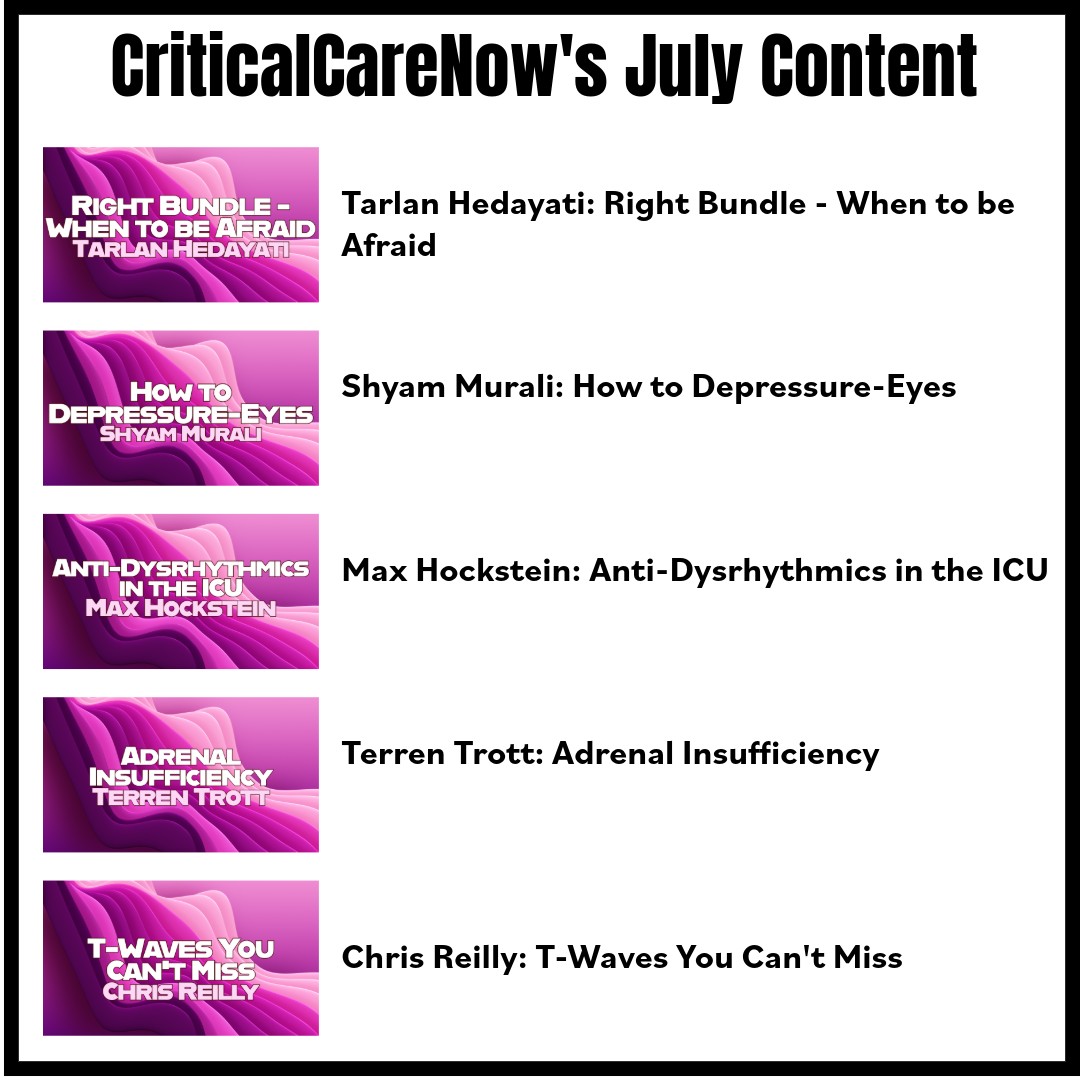
If you're an All-Access member, you're in for some great content this month. We have FIVE videos hand-picked by our staff that are high-yield and our most highly watched. We're featuring:
- Hedayati on "Right Bundle - When to be Afraid"
- Murali on "How to Depressure-Eyes"
- Hockstein on "Anti-Dysrhythmics in the ICU"
- Trott on "Adrenal Insufficiency"
- Reilly on "T-Waves You Can't Miss"
Each month we bring you fresh new content from the best of the best in resuscitation. If you're an All-Access member, go watch these videos NOW!


Responses